
Common Online Scams are becoming more advanced and harder to detect, especially as more people spend time online for shopping, banking, and communication. What used to be obvious fraud attempts now often look very convincing, which makes awareness more important than ever.
At its core, Common Online Scams refer to deceptive tricks used by fraudsters to steal money, personal information, or access to online accounts. These scams target both beginners and experienced internet users, which is why understanding how they work is essential.
Common Online Scams and Why They Are Increasing
The rise of digital platforms has made life easier, but it has also created more opportunities for fraud. Common Online Scams are increasing because scammers now have access to larger audiences through emails, social media, and fake websites.
Interestingly, many scams no longer rely on obvious tricks. Instead, they use emotional manipulation, urgency, and fake credibility to convince users to act quickly without thinking.
For example, messages that claim “your account will be locked” or “you have won a prize” are designed to trigger panic or excitement. That emotional reaction is what scammers depend on.
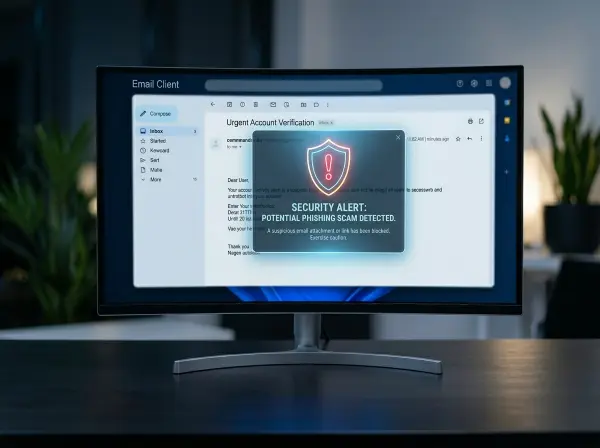

1. Phishing Emails and Fake Messages
Phishing is one of the most widespread Common Online Scams. It involves fake emails or messages that pretend to be from trusted companies like banks or social media platforms.
These messages usually contain links that lead to fake websites designed to steal login details. Once a user enters their information, scammers gain access to their accounts.
One common sign is poor grammar or slightly altered email addresses that look similar to official ones. However, modern phishing attempts are becoming more polished, making them harder to detect.
2. Fake Online Shopping Websites
Another major category of Common Online Scams involves fake online stores. These websites often advertise products at extremely low prices to attract buyers.
After payment is made, the product is either never delivered or a completely different item is sent.
What makes this scam effective is how real the websites appear. They often copy layouts, logos, and even reviews from legitimate stores.
3. Investment and Crypto Scams
Investment-related fraud is also one of the fastest-growing Common Online Scams. These scams promise high returns with little or no risk.
They often use phrases like “guaranteed profit” or “limited-time opportunity” to pressure users into investing quickly.
In reality, legitimate investments always carry some level of risk, and no system can guarantee constant returns.
4. Social Media Impersonation Scams
Social media platforms are also a common place for fraud. In this type of Common Online Scams, scammers create fake accounts pretending to be influencers, companies, or even friends.
They may ask for money, personal details, or send suspicious links.
One warning sign is accounts with very few posts, recently created profiles, or slightly altered usernames.
How to Identify Common Online Scams
Recognizing Common Online Scams requires attention to detail. Most scams share similar patterns even if they look different on the surface.
Some common warning signs include:
- Urgent language that pressures quick action
- Requests for personal or financial information
- Suspicious links or shortened URLs
- Offers that seem too good to be true
A good rule is simple: if something feels off, it probably is.
How to Stay Safe Online
Protecting yourself from Common Online Scams does not require advanced technical knowledge. Basic habits can go a long way.
For example, enabling two-factor authentication adds an extra layer of security to your accounts. Also, verifying links before clicking can prevent accidental access to fake websites.
Using official apps and websites instead of random links from messages is another simple but effective habit.
For more information on online safety practices, resources like the Federal Trade Commission (https://www.consumer.ftc.gov) provide helpful guides.
Are Common Online Scams Becoming More Dangerous?
Yes, in many ways they are. Common Online Scams are becoming more personalized and harder to detect because scammers now use data from social media and leaked databases.
This means messages can sometimes include real names or personal details, making them seem more believable.
That said, awareness is still the strongest defense. Most scams rely on human error, not technical weakness.
Final Thoughts
Common Online Scams continue to evolve as technology advances. While the internet offers convenience and opportunity, it also requires caution and awareness.
The key is not fear, but smart behavior. Taking a few extra seconds to verify information can prevent major losses.
At the end of the day, staying safe online is about building good habits and remaining alert, even when things look completely normal.