Essential Cybersecurity Habits are becoming more important as more people spend their daily lives online. From social media accounts to online banking and work platforms, almost everything now depends on digital access.
At its core, Essential Cybersecurity Habits refer to simple but powerful actions that help protect your devices, accounts, and personal data from unauthorized access. The interesting thing is that most cyber attacks do not happen because of advanced hacking, but because of weak user habits.
Essential Cybersecurity Habits and Why They Matter
The internet has made life more convenient, but it has also created new risks. Essential Cybersecurity Habits are important because attackers often target human mistakes rather than systems.
Many people assume cybersecurity is only for experts or companies, but in reality, every internet user is a potential target. Whether it is email, social media, or mobile apps, security risks are everywhere.
Interestingly, most breaches happen due to simple mistakes like weak passwords, clicking unknown links, or reusing credentials across multiple platforms.
1. Using Strong and Unique Passwords
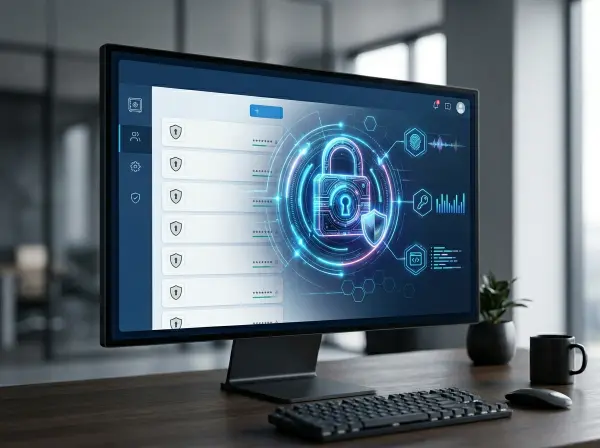
One of the most important Essential Cybersecurity Habits is using strong and unique passwords for every account.
Weak passwords like “123456” or “password” are extremely easy to guess. Even slightly better ones can still be vulnerable if reused across multiple platforms.
A strong password usually includes a mix of letters, numbers, and symbols. Password managers can also help store and generate secure passwords automatically.
This simple habit alone can prevent a large percentage of online security issues.
2. Enabling Two-Factor Authentication
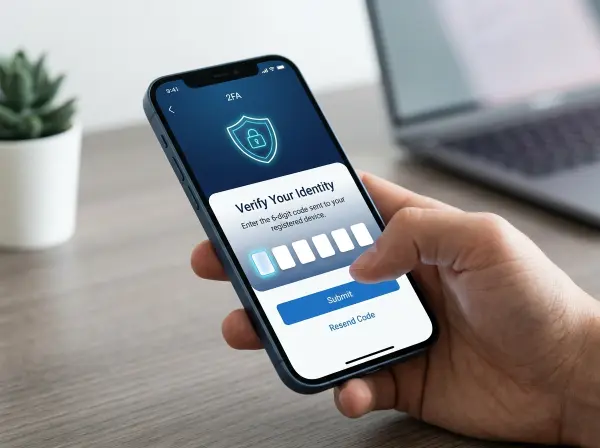
Two-factor authentication is another critical part of Essential Cybersecurity Habits. It adds an extra layer of protection by requiring a second verification step when logging in.
Even if someone gets access to your password, they still cannot enter your account without the second code.
Most platforms now offer this feature, including email providers, social media apps, and banking services.
It may feel like an extra step, but it significantly improves account safety.
3. Avoiding Suspicious Links and Emails
Phishing attacks remain one of the most common online threats. As part of Essential Cybersecurity Habits, users should be careful when clicking links from unknown sources.
Scammers often send messages that look urgent or official, trying to trick users into revealing sensitive information.
A simple rule is to always double-check the sender and avoid clicking links that seem suspicious or unexpected.
4. Keeping Software and Devices Updated
Software updates are not just about new features. They are also an important part of Essential Cybersecurity Habits because they fix security vulnerabilities.
Outdated apps or operating systems are easier targets for hackers. This is why enabling automatic updates is usually recommended.
Many users ignore update notifications, but those updates often contain important security patches.
5. Using Secure Networks
Public Wi-Fi networks can be risky if not used carefully. As part of Essential Cybersecurity Habits, it is better to avoid accessing sensitive accounts on unsecured networks.
Hackers can sometimes intercept data on open networks, especially if encryption is weak or missing.
Using mobile data or a trusted private network is generally safer for important activities like banking or logging into personal accounts.
How Essential Cybersecurity Habits Improve Daily Safety
Practicing Essential Cybersecurity Habits does not require advanced technical knowledge. It is more about consistency and awareness.
Small actions like checking URLs, logging out of unused devices, and reviewing account activity regularly can make a big difference over time.
Interestingly, many people only take cybersecurity seriously after experiencing a problem. But by then, the damage is often already done.
Are Essential Cybersecurity Habits Really Enough?
While Essential Cybersecurity Habits are very effective, they are not a complete guarantee of safety. Cyber threats continue to evolve, and attackers are always finding new methods.
However, most attacks can be prevented by following basic precautions. In many cases, human behavior is the weakest link, not technology itself.
This means that improving habits is one of the most powerful forms of protection available to everyday users.
Final Thoughts
Essential Cybersecurity Habits are not complicated, but they are extremely important in today’s digital world.
From strong passwords to careful browsing and regular updates, these simple actions can significantly reduce risk.
At the end of the day, cybersecurity is about awareness and discipline. The more consistent you are with these habits, the safer your digital life becomes.