
Technology has become one of the most important forces shaping how we live and work today. When people search for Technology, they are usually trying to understand how it is changing everyday life, and honestly, the changes are bigger than most people realize. From remote work to instant messaging, technology is quietly rewriting the rules of communication and productivity.
At first glance, it might just look like apps and gadgets, but in reality, it runs much deeper than that. The way teams collaborate, how businesses operate, and even how individuals manage daily tasks has been completely reshaped by modern tools.
Technology and the Modern Workplace Revolution
The workplace has changed more in the last 10 years than it did in the previous 50. With Technology, employees no longer need to sit in the same office to get work done. Tools like Zoom, Google Workspace, and Microsoft Teams have made remote collaboration normal rather than special.
A few years ago, working from home felt like a luxury or something only freelancers did. Now it is standard practice in many industries. I still find it interesting how quickly people adapted, even those who were not very tech-savvy at first.
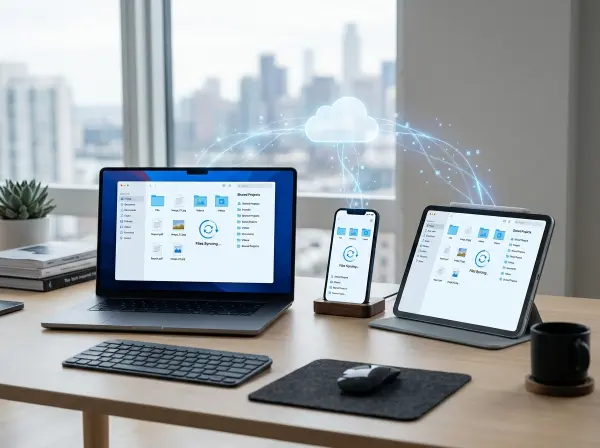
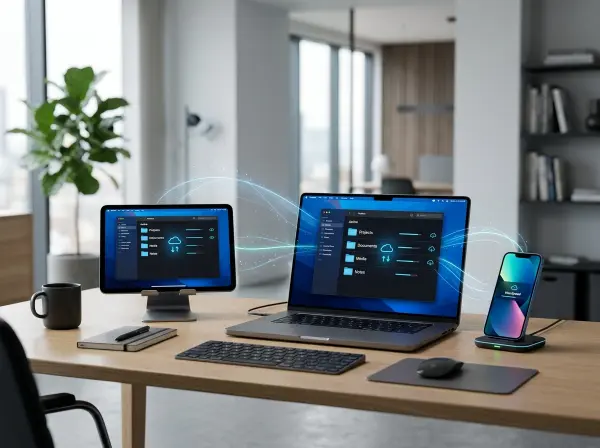
Interestingly, cloud platforms like Google Drive and Dropbox have also removed the fear of losing important files. Instead of storing everything on one laptop, files are now accessible from anywhere. If a device gets damaged, work does not stop. That alone feels like a huge relief for many professionals.
Technology in Communication: Faster, Simpler, and Sometimes Overwhelming
Communication has probably changed even more than work itself. With Technology, messages now travel instantly. WhatsApp, Telegram, Slack, and email have replaced slow traditional communication methods.
But here is something people often overlook. While communication is faster, it can also feel overwhelming. Constant notifications, group chats, and emails can make it harder to focus. I have personally noticed this, and I am sure many others have too.
Still, the benefits are hard to ignore. Businesses now respond to customers in seconds instead of hours or days. Social media also allows brands to speak directly to their audience without needing expensive advertising campaigns.
For deeper insight into modern communication tools, platforms like Microsoft Learn (https://learn.microsoft.com) and Google Workspace guides (https://workspace.google.com/learning-center/) offer useful explanations on how these systems work in real environments.
The Role of Artificial Intelligence in Technology Today
Another major shift within Technology is the rise of artificial intelligence. AI tools are no longer experimental; they are already part of everyday workflows.
From writing assistants to customer service bots, AI helps reduce repetitive tasks and improves efficiency. For instance, some companies now use AI to sort emails, generate reports, or even suggest responses to customers.
That said, AI is not perfect. It still makes mistakes, and it definitely cannot replace human judgment. But it does make work faster, especially for repetitive or data-heavy tasks.
Technology Costs and Accessibility
One thing worth mentioning is how accessible Technology has become. Smartphones that were once expensive are now available at different price ranges depending on budget. Software tools have also become more accessible. Many platforms now offer free versions, which is helpful for students, freelancers, and small business owners who are just starting out.
However, internet access and power supply can still affect how effectively people use these tools in some regions. It is not a perfect system, but progress is visible.
Challenges That Come With Technology
Even though Technology has improved productivity and communication, it also brings challenges. Cybersecurity risks, misinformation, and digital distractions are becoming more common.
For example, phishing emails and online scams are becoming more sophisticated. This is why users are encouraged to verify links and avoid sharing sensitive information carelessly.
At the same time, spending too much time on digital platforms can affect focus and productivity. So while technology helps us work faster, it also requires discipline to use it properly.
Final Thoughts
At the end of the day, Technology is not just about gadgets or software. It is about how humans interact, work, and solve problems in a digital world.
It has made communication faster, work more flexible, and information more accessible than ever before. But it also requires awareness and balance.
Personally, I think we are still at the early stages of what technology will become in the next decade. Things are changing quickly, and sometimes it feels like we are trying to keep up rather than fully understand it.
One thing is clear though. The way we work and communicate will continue evolving, and technology will remain at the center of it all.